
Understanding Weak and Unstable Erections
An informational guide to erectile function, changes that occur after age 40, and the factors that influence erection quality and duration. Learn what affects your sexual health and how lifestyle plays a role.
The information on this site is for educational purposes only and does not constitute medical advice. Always consult a qualified healthcare professional before making health decisions.
Key Features of Erectile Function Knowledge
Comprehensive information about what influences erection quality, stability, and duration in men after age 40.
Cardiovascular Factors
Blood flow is fundamental to erectile function. The ability to achieve and maintain an erection depends on healthy circulation and proper blood vessel function. As men age, arterial flexibility may decrease, reducing blood flow to the penis. Understanding how cardiovascular health impacts erection quality helps explain why heart health and erectile function are closely connected.
Hormonal Changes
Testosterone levels naturally decline after age 30, with the decline accelerating around age 40. This hormone influences sexual desire, erectile response, and overall sexual function. Hormonal balance affects not just the desire for sex but the body's physical ability to achieve and sustain an erection. Understanding hormonal changes helps contextualize why erections may feel weaker or less reliable after 40.
Sleep Quality and Erection Duration
Quality sleep is essential for sexual function. During sleep, the body repairs tissues and regulates hormones, including those affecting erectile response. Men who experience poor sleep often report weaker erections and reduced erection stability. Sleep deprivation increases stress hormones that can inhibit sexual arousal and blood flow to the genital area, directly impacting erection quality.
Physical Activity and Erectile Function
Regular exercise improves cardiovascular health, increases blood flow, and enhances hormone production—all critical for erectile function. Men who engage in consistent physical activity often report stronger and more stable erections. Exercise also reduces stress and anxiety, which can inhibit erectile response. Even moderate activity like walking, swimming, or resistance training can positively influence erection quality and duration.
Nutrition and Blood Flow
Diet directly affects erectile function through its impact on blood vessel health and circulation. Foods rich in antioxidants, vitamins, and minerals support vascular function. Diets high in processed foods and sugar can damage blood vessels and reduce blood flow capacity, contributing to weaker or unstable erections. Understanding nutritional factors helps explain why men who maintain healthy diets often experience better erection quality.
Stress and Psychological Factors
Psychological stress activates the nervous system in ways that inhibit sexual arousal and erectile response. Chronic stress elevates cortisol levels, which can suppress testosterone and interfere with blood flow mechanisms essential for erections. Anxiety about sexual performance creates a cycle that weakens erection stability. Managing stress through relaxation techniques, meditation, and lifestyle adjustments can significantly influence erectile function.
Factors Affecting Erection Quality After 40
As men enter their 40s and beyond, multiple physiological changes occur that can affect erectile function. Understanding these changes is the first step in addressing weaker or less stable erections. The decline is not inevitable—many factors are modifiable through lifestyle adjustments and informed choices.
Arterial and Vascular Changes
Blood vessel elasticity decreases naturally with age. Arteries may stiffen, reducing the efficiency of blood flow to the penis. This physical change is one of the most common reasons men experience weaker erections after 40.
Neurological Responsiveness
The nervous system's sensitivity to sexual stimuli may diminish over time. Erection onset may require more stimulation, and the intensity of the response may decrease compared to younger years.
Metabolic Decline
Metabolism slows with age, affecting nutrient absorption and hormone regulation. This can contribute to reduced erectile stability and shorter erection duration if lifestyle factors like diet and activity are not optimized.
Lifestyle-Related Factors
Sedentary habits, poor nutrition, smoking, excessive alcohol, and chronic stress are modifiable factors that significantly impact erectile function. These can be addressed through conscious lifestyle changes.
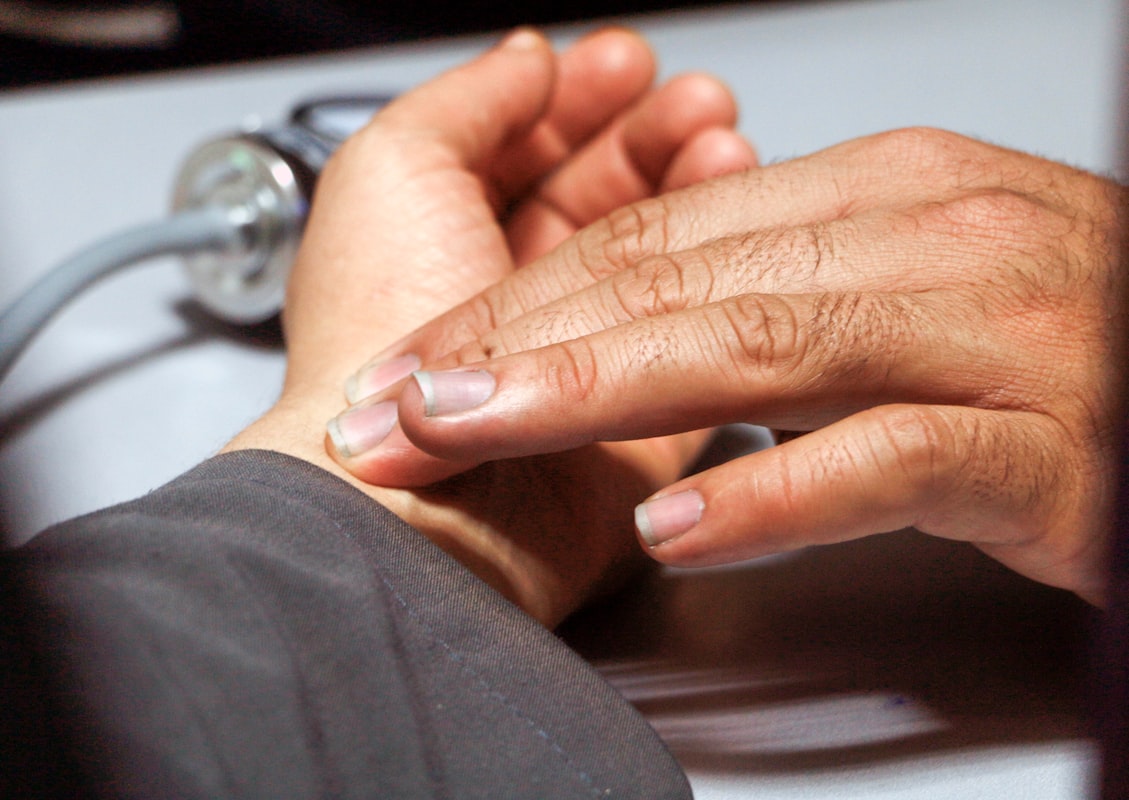
The Four-Stage Path to Understanding Your Erection Changes
A systematic approach to learning about erectile function, identifying your specific concerns, and exploring the lifestyle and health factors that influence your sexual health.
Recognize the Changes
The first step is acknowledging that erections may not be as strong, as frequent, or as stable as before. Common observations include difficulty maintaining erections, shorter erection duration, or less reliable response. Recognizing these changes is normal and important.
Evaluate Contributing Factors
Examine your health and lifestyle habits. Consider cardiovascular health, sleep quality, stress levels, physical activity, nutrition, and any medical conditions. These factors directly influence erectile function. Understanding what contributes to weaker erections helps identify which areas to address.
Learn Lifestyle Improvements
Discover evidence-based lifestyle changes that support erectile function. These include regular physical activity, improved nutrition, stress management, better sleep habits, and reducing harmful substances. Small changes in daily habits can lead to noticeable improvements in erection quality.
Monitor and Adjust
Track changes in your erectile function as you implement improvements. Note improvements in erection stability, duration, and overall quality. Different approaches work for different men. Consistent monitoring helps identify which changes are most beneficial for your individual situation.
Comparison: Erection Quality Factors
How various health and lifestyle factors influence erectile function, erection stability, and duration.
| Factor | Impact on Erection Quality | Impact on Duration | Modifiability |
|---|---|---|---|
| Cardiovascular Health | High positive impact | Significant positive impact | Highly modifiable |
| Sleep Quality | Moderate positive impact | Moderate positive impact | Highly modifiable |
| Physical Activity | High positive impact | High positive impact | Highly modifiable |
| Stress Levels | High negative impact | High negative impact | Highly modifiable |
| Diet Quality | Moderate positive impact | Moderate positive impact | Highly modifiable |
| Testosterone Levels | High positive impact | High positive impact | Partially modifiable |
| Age-Related Vascular Changes | Negative impact | Negative impact | Not directly modifiable |
| Smoking/Alcohol Use | Negative impact | Negative impact | Highly modifiable |
Key Insight:
The majority of factors affecting erection quality and duration are modifiable through lifestyle changes. While age-related vascular changes cannot be reversed, their impact can be minimized through maintaining cardiovascular health, managing stress, staying physically active, and optimizing nutrition. This means many men can experience improvements in erectile function regardless of age.
Frequently Asked Questions About Weak Erections
Common questions about erectile function, changes after 40, and factors that influence erection quality and stability.
Yes, changes in erection quality and stability are common after age 40. Many men experience weaker erections, reduced frequency of erections, or difficulty maintaining erections as they age. This occurs due to natural physiological changes including declining testosterone, reduced blood vessel elasticity, and changes in nerve sensitivity. However, "common" does not mean inevitable or unchangeable. Many factors affecting erectile function are modifiable through lifestyle adjustments, improved cardiovascular health, stress management, and other evidence-based approaches.
Cardiovascular health is directly linked to erectile function. An erection requires adequate blood flow to the penis, which depends on healthy arteries and blood vessels. Men with poor cardiovascular health—including high blood pressure, high cholesterol, or atherosclerosis—often experience weaker or less stable erections. Conversely, maintaining a healthy heart through exercise, proper diet, and stress management improves blood flow and supports better erectile function. Some researchers consider erectile function a marker of overall cardiovascular health.
Sleep is crucial for sexual function. During sleep, the body produces testosterone, repairs tissues, and regulates hormones that affect sexual desire and erectile response. Men who sleep poorly or have insufficient sleep often experience weaker erections and reduced sexual interest. Sleep deprivation increases cortisol (stress hormone) and reduces testosterone production, both of which inhibit erectile function. Improving sleep quality—through consistent sleep schedules, better sleep environment, and stress reduction—can lead to noticeable improvements in erection strength and stability.
Yes, regular physical activity is one of the most evidence-supported ways to improve erectile function. Exercise improves cardiovascular health, increases blood flow, enhances hormone production, reduces stress and anxiety, and improves overall physical fitness—all factors that support stronger and more stable erections. Both aerobic exercise (walking, running, swimming) and resistance training have been shown to benefit erectile function. Men who engage in regular physical activity typically report improved erection quality, increased frequency of successful erections, and better erection duration compared to sedentary men.
Diet influences erectile function through its effect on blood vessel health, inflammation, and hormone production. Foods that support erectile function include those rich in antioxidants (berries, dark leafy greens), foods containing omega-3 fatty acids (fish, nuts, seeds), foods high in arginine (which supports blood vessel function), and foods with vitamins and minerals that support cardiovascular health. Conversely, diets high in processed foods, added sugars, and unhealthy fats can damage blood vessels and reduce erectile function. Men who shift from poor diets to nutrient-dense diets often notice improvements in erection strength and stability within weeks.
Chronic stress and anxiety are significant inhibitors of erectile function. When stressed, the body activates the "fight or flight" response, which diverts blood flow away from sexual organs and suppresses sexual interest. Stress elevates cortisol levels, which can suppress testosterone production. Anxiety about sexual performance creates a self-perpetuating cycle of weaker erections and increased anxiety. Managing stress through relaxation techniques, meditation, exercise, adequate sleep, and counseling can significantly improve erection stability and duration. Many men report that stress reduction alone leads to noticeable improvements in erectile function.
Yes, smoking significantly impairs erectile function. Nicotine constricts blood vessels, reducing blood flow to the penis and making erections weaker and less stable. Smoking also damages the inner lining of blood vessels (endothelium), reducing its ability to dilate and allow adequate blood flow. Studies show that smokers are more likely to experience weaker erections compared to non-smokers, and the problem worsens with continued smoking. Men who quit smoking often see improvements in erectile function within weeks to months as blood vessel function recovers.
Yes, excessive alcohol consumption impairs erectile function in multiple ways. Alcohol depresses the nervous system, reducing sexual arousal and nerve sensitivity. It dehydrates tissues, including blood vessels, reducing blood flow efficiency. Chronic alcohol use can damage blood vessels, reducing their flexibility and ability to support erections. Additionally, alcohol disrupts sleep quality and interferes with hormone production, both of which support erectile function. Moderate alcohol consumption (if any) is less harmful than excessive use, but many men find that reducing alcohol intake improves erection quality, stability, and duration.
Why Choose Malecrest?
Trusted by thousands of men seeking natural, effective solutions
100% Natural Ingredients
Carefully selected herbal extracts and nutrients with centuries of traditional use and modern scientific backing.
Clinically Tested
Our formula is backed by rigorous testing and research to ensure safety, purity, and effectiveness for your peace of mind.
Money-Back Guarantee
Try Malecrest risk-free. If you're not satisfied within 60 days, we'll refund your entire purchase—no questions asked.
What Our Customers Say
Real results from real men
"After just three weeks, I noticed a significant improvement in my energy levels and confidence. Malecrest really works, and I appreciate that it's all-natural."
— Michael T.
Verified Purchase
"I was skeptical about supplements, but Malecrest exceeded my expectations. The results speak for themselves, and the customer service is excellent."
— James R.
Verified Purchase
"Best decision I made for my health. My wife noticed the difference, and I feel more like myself again. Highly recommend Malecrest!"
— David L.
Verified Purchase
Ready to Reclaim Your Confidence?
Join thousands of satisfied men who've transformed their intimate lives with Malecrest.
30-day money-back guarantee • Free shipping on orders over $50 • Discreet packaging