
Understanding Changes in Erection Quality After 40
Erections not as strong as before? Has your erection become less stable? You are not alone. This is one of the most common concerns men face as they age, and understanding the causes is the first step toward positive change.
Malecrest is an editorial guide to male sexual health, erectile function, and potency—providing evidence-based information to help you navigate changes in your body and regain confidence.
The information on this site is for educational purposes only and does not constitute medical advice. Always consult a qualified healthcare professional before making health decisions.
What This Guide Covers
Male sexual function changes with age, health habits, and life circumstances. Below is what you will learn on this editorial platform:
Erectile Function After 40
How your erections naturally change as you age. What is normal, what is not, and how physiological changes affect erection strength, stability, and duration over time.
Physical & Medical Causes
Cardiovascular health, blood pressure, hormonal changes, and other medical factors that influence erectile quality. Understanding these helps you take informed action.
Psychological Factors
How stress, anxiety, relationship dynamics, and mental health affect erection quality. The mind-body connection in male sexual function is profound and often overlooked.
Lifestyle & Habits
The impact of exercise, sleep quality, nutrition, smoking, alcohol, and other daily habits on erection strength and sustenance. Small changes can make a measurable difference.
Information & Evidence
Research-backed insights into what works, what does not, and how to evaluate claims about male potency. An honest, scientific perspective on erectile function support.
Practical Steps Forward
Actionable suggestions based on medical evidence and expert consensus. How to discuss changes with your doctor, what questions to ask, and realistic expectations.
Why Erection Quality Changes
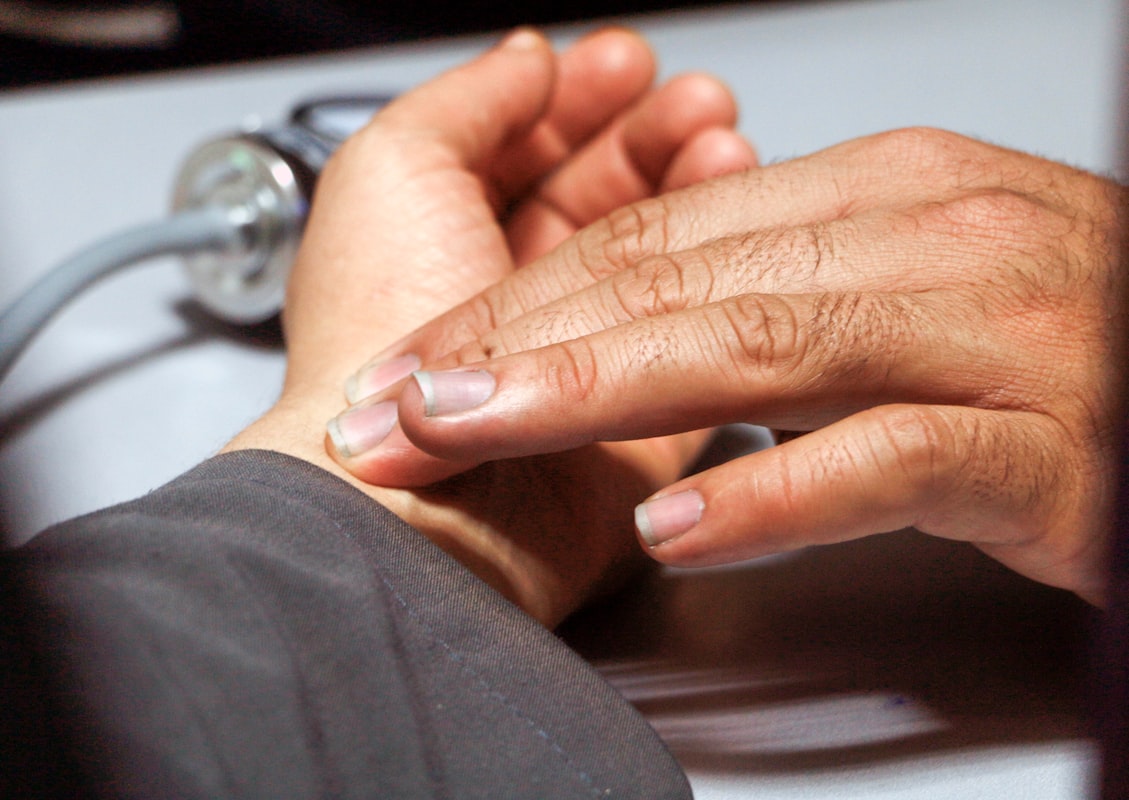
It is not always just about age. While hormonal shifts, reduced blood flow, and nerve sensitivity do play a role as men move through their 40s and beyond, many other factors contribute to weaker or less stable erections. Research shows that cardiovascular health, stress levels, sleep quality, and relationship satisfaction are often equally important as age itself.
A man in his 45th year might experience strong, reliable erections with the right lifestyle and low stress, while another in his 50s may struggle despite good physical health—because psychological factors, medications, or undiagnosed health conditions are involved. The reality is complex and personal.
This is why generic advice ("just exercise more") often fails. Understanding YOUR specific situation—your health history, current habits, stress level, and medical profile—is essential. That is what this guide helps you do.
Read Detailed ArticlesCommon Signs You May Be Experiencing Changes
Recognizing these patterns is not a diagnosis, but it can help you understand what to discuss with a healthcare provider:
Erection Stability Issues
- Erections feel less firm or full than they used to
- Difficulty maintaining erection during sexual activity
- Inconsistent results—sometimes strong, sometimes weak
- Erection requires more stimulation to achieve or maintain
Shorter Duration
- Erections do not last as long as they once did
- Loss of erection happens more quickly during intercourse
- Recovery time between erections is longer
- Morning erections are less frequent or less pronounced
Frequently Asked Questions
Get answers to the most common questions about erectile changes, causes, and what you can do:
Yes, some decline in erectile rigidity and frequency is a natural part of aging. However, the degree of change varies greatly between men. Some experience minimal changes into their 60s and beyond, while others notice significant differences in their 40s. This variability depends on genetics, overall health, lifestyle, stress levels, and relationship factors. The key is that noticeable changes do not have to be accepted as inevitable—many are reversible or manageable with appropriate lifestyle adjustments and medical evaluation.
Erections depend on healthy blood flow. Your cardiovascular system delivers blood to the penis through arteries, and any condition that reduces blood flow—high blood pressure, high cholesterol, atherosclerosis, or poor circulation—directly impacts erection quality. In fact, erectile changes are sometimes an early warning sign of cardiovascular problems that have not yet been diagnosed. Improving heart health through exercise, better diet, weight management, and stress reduction often improves erectile function as a secondary benefit.
Stress and anxiety trigger the release of cortisol and adrenaline, hormones that literally constrict blood vessels and redirect blood away from the penis toward muscles. Chronic stress also reduces testosterone and interferes with the nervous system signals needed for erection. Performance anxiety—worry about erectile function itself—creates a vicious cycle where fear of failure actually causes failure. This psychological component is why even young men can experience erectile difficulty during stressful periods. Addressing stress through relaxation techniques, exercise, therapy, or lifestyle changes can significantly improve erectile function.
Many common medications can affect erectile function, including blood pressure medications (especially beta-blockers), antidepressants, antihistamines, and antipsychotics. Even some over-the-counter cold remedies and allergy medications can contribute. If you started experiencing erection changes around the time you began a new medication, this is worth discussing with your doctor. Often there are alternative medications with fewer sexual side effects, or dosages can be adjusted. Never stop taking a prescribed medication on your own, but do mention erectile changes at your next appointment.
Regular aerobic exercise (30–45 minutes most days) improves cardiovascular function and blood flow. Quality sleep (7–9 hours) is essential for testosterone production and erectile function. A diet rich in fruits, vegetables, whole grains, and omega-3 fatty acids supports vascular health. Limiting alcohol and quitting smoking remove direct inhibitors of erectile function. Reducing stress through meditation, yoga, or counseling addresses the psychological component. Maintaining a healthy weight reduces inflammation and improves blood flow. Most men see measurable improvements within weeks to months of consistent lifestyle changes.
Any persistent change in erectile function—reduced firmness, difficulty maintaining erections, or shortened duration lasting more than a few weeks—warrants a conversation with your primary care doctor. Erection changes can be an early indicator of cardiovascular disease, diabetes, or hormonal imbalances that benefit from early intervention. Your doctor can rule out medical causes, review medications, check blood pressure and blood sugar, and potentially order blood work. Be honest and specific about your symptoms. This conversation is routine for doctors and far more common than many men realize.
Key Topics Covered in Our Editorial Content
Browse the main areas we explore in depth:
Erections After 40
How male sexual function naturally evolves with age, what changes are normal, and factors that accelerate or slow decline.
Medical Causes
Cardiovascular health, hormones, nerve function, blood pressure, and other physiological factors affecting erectile quality.
Psychological Factors
Stress, anxiety, depression, relationship dynamics, and how the mind profoundly influences erectile function.
Lifestyle & Nutrition
Exercise, sleep, diet, weight management, smoking, alcohol—practical changes that improve erection quality.
Blood Flow & Circulation
The critical role of cardiovascular health in male potency, and how to optimize blood flow naturally.
Communication & Relationships
How to discuss changes with your partner and healthcare provider, and the importance of emotional connection.
About Malecrest Editorial
Malecrest is an independent editorial platform dedicated to helping men understand and navigate changes in sexual function and male potency. We believe that honest, evidence-based information is the foundation for confident decision-making.
Our content is informed by medical research, expert consensus, and the real experiences of men facing these changes. We do not sell products or services. Instead, we provide detailed, practical information that helps you understand your body, communicate with healthcare providers, and make informed choices.
Whether you are experiencing early signs of erection changes, actively seeking information about male sexual health, or supporting a partner through these conversations, Malecrest offers the context and clarity you need.
Learn More About Us
Reader Testimonials
See what readers say about Malecrest and how this information has helped them:
"
I was worried and embarrassed about changes in my erections at 42. This site gave me the confidence to understand what was happening and why. The information about lifestyle factors was eye-opening—I made some changes and honestly feel more like myself. Most importantly, it helped me talk to my doctor. Finally, honest, practical information without shame or selling something.
David Suryanto
Jakarta, Indonesia
"
As someone in my late 40s noticing real changes, I appreciated the straightforward explanation of what is normal and what is not. The article on cardiovascular health and blood flow finally connected the dots for me. I have been more consistent with exercise and it makes a real difference. This is what men actually need to know.
Budi Hartono
Medan, Indonesia
"
My partner found this site and shared it with me when I was reluctant to discuss what was happening. Reading through the information together actually opened a conversation we needed to have. The section on psychological factors and relationship communication was especially valuable. We feel more connected and hopeful now.
Hari Kusuma
Surabaya, Indonesia
"
I appreciated the section on medications and side effects—found out my blood pressure medication was likely a contributing factor. My doctor and I adjusted it and things improved. Having accurate information made all the difference in finding the right solution. This site genuinely empowers men to take charge of their health.
Wahyu Prabowo
Bandung, Indonesia
Stay Informed
Subscribe to our newsletter for new articles and evidence-based insights on male sexual health and erectile function:
We respect your privacy. No spam, only quality content delivered directly to your inbox.
Ready to Learn More?
Whether you are experiencing early signs of erection changes, seeking detailed information about male potency, or looking to optimize your sexual health—Malecrest has comprehensive, evidence-based articles and guides to help you understand and move forward with confidence.